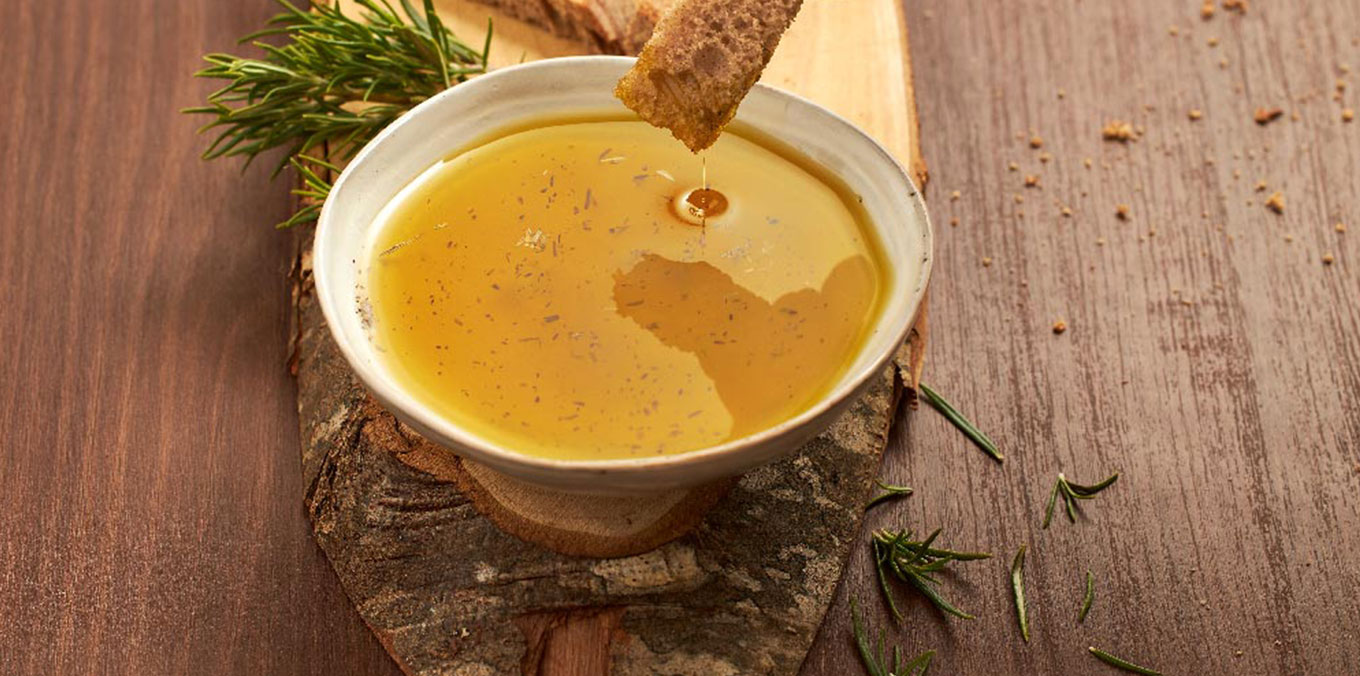
The Original Super Ingredient
Extra virgin olive oil is now recognised for its health benefits and forms part of a balanced diet. What Homer called “liquid gold” and Hippocrates referred to as “the great healer” has now been confirmed by science. Rich in antioxidants and monounsaturated fats, extra virgin olive oil is a true ally for your health and longevity.
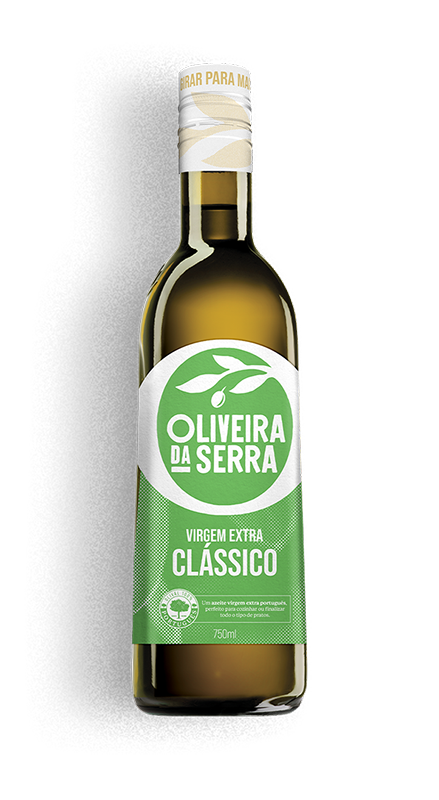
Extra virgin olive oil is one of the most highly valued fats in a healthy diet.
As well as giving food a unique flavour, it is linked to health benefits and a healthier lifestyle.
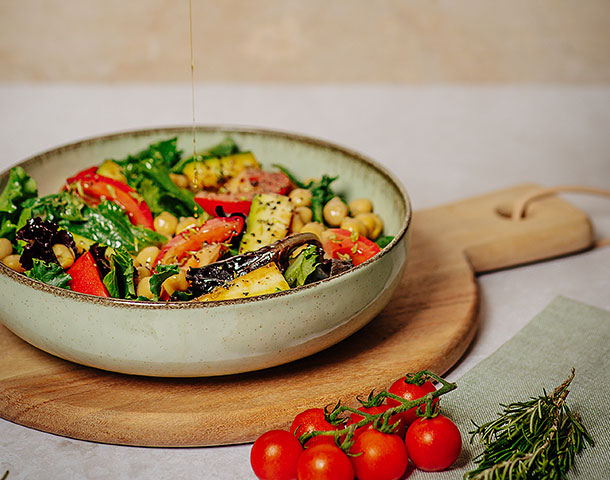
Extra virgin olive oil can contribute to heart health and help maintain a balanced lipid profile. Studies suggest that regular consumption may help reduce the oxidation of LDL (‘bad’ cholesterol) and help increase HDL (‘good’ cholesterol).
How it helps the heart
Olive oil helps to protect memory and reduce cognitive decline. Studies also link its regular consumption to a 28 per cent reduction in the risk of death related to dementia.
Benefits for the brain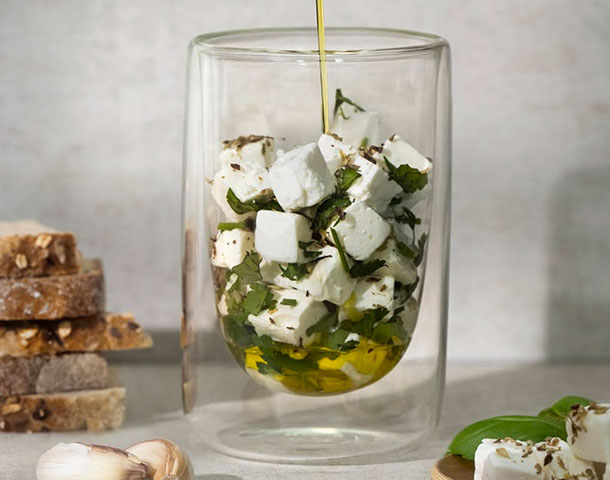
Extra virgin olive oil has a prebiotic effect, helping to nourish the good bacteria in the gut and combat inflammation. Studies show that olive oil helps to balance the gut microbiota and reduce inflammatory processes.
Impact on the microbiota
Olive oil helps to control appetite and manage weight. Studies show that consuming it regulates satiety and body weight by influencing the gut microbiota, stimulating the production of short-chain fatty acids.
How it boosts your metabolismFrom a nutritional point of view, extra virgin olive oil is one of the healthiest fats. It is also notable for its heat stability, retaining most of its properties in various types of cooking
Olive oil contains mainly monounsaturated fats, which are associated with cardiovascular health benefits. Other fats, such as coconut oil and butter, are richer in saturated fats, whilst oils such as sunflower or soya oil contain more polyunsaturated fats, which tend to be less stable when heated.
When fats are subjected to high heat, they begin to break down some of their beneficial compounds.
Extra virgin olive oil differs from other vegetable oils in that it contains compounds with antioxidant and anti-inflammatory properties, which protect fats from oxidation and promote cardiovascular health
Extra virgin olive oil stands out from other vegetable oils because it contains phenolic compounds, such as hydroxytyrosol, which have antioxidant and anti-inflammatory properties, protect fats from oxidation and promote cardiovascular health.
01
Olive oil helps you lose more fat whilst preserving muscle mass.
Studies show that consuming 25 mL of extra virgin olive oil daily for nine weeks results in 80% greater fat loss (−2.4 kg compared with −1.3 kg with soya oil), without compromising muscle mass.
02
Olive oil helps the body absorb essential vitamins.
As a source of healthy fat, it helps the body absorb vitamins A, D, E and K more effectively.
03
Olive oil contributes to a longer and better quality of life. Studies show that combining the Mediterranean diet with olive oil is associated with greater longevity and lower mortality from cardiovascular, neurodegenerative, oncological and respiratory diseases.
NO.
From a caloric standpoint, olive oil is equivalent to other fats, providing 9 kcal per gram. However, it stands out for its healthy profile, rich in monounsaturated fats, especially oleic acid, which benefits the gut microbiota, helps regulate appetite and blood sugar levels, increases HDL cholesterol, and reduces the risk of cardiovascular disease.
YES,
Olive oil, especially extra virgin olive oil, is more heat-stable than oils such as soybean or corn oil, producing fewer toxic compounds up to 180 °C. It maintains chemical stability up to about 210 °C thanks to its phenolic antioxidants. However, temperatures above that should be avoided, as they can form harmful substances such as aldehydes and acrolein.
IF CONSUMED IN EXCESS, YES.
Like all fats, olive oil is high in calories—it provides 9 kcal per gram. One tablespoon (10 g) contains about 90 kcal, so it should be consumed in moderation—between 1 and 3 servings per day—as part of a balanced diet. Unlike saturated fats, such as butter or lard, olive oil is rich in monounsaturated fats, antioxidants, and vitamin E, and is beneficial for cardiovascular health when used in moderation.
UP TO 210°C,
it retains almost all of its properties. Compared to other fats, such as refined oils or animal fats, extra virgin olive oil is a healthier option for cooking. Even when heated, it maintains a stable profile up to 210 °C, despite a slight reduction in antioxidants.
NO,
The acidity of olive oil does not determine its flavor, but it indicates the quality of the olives used in extraction. It reflects the level of fat degradation: the lower the acidity, the better the quality. Extra virgin olive oil, with an acidity of less than 0.8%, is fresher and more balanced than virgin olive oil (up to 2%). Lampante olive oil, on the other hand, with an acidity of over 2%, has defects and results from a less careful production process. The flavor of olive oil depends more on the variety of olives, their origin, and the extraction method than on acidity.
ORGANOLEPTIC PROFILE
It is the technical term for the characteristics we perceive through our senses – basically, how the olive oil smells, tastes and looks.
POLYPHENOLS
Natural antioxidant compounds in olive oil that act as a ‘protective shield’ for cells. They are responsible for the bitter and pungent flavour.
LDL (‘Bad’ cholesterol)
Low-density lipoprotein. It transports cholesterol in the blood, but when oxidised, it builds up in the arteries and increases the risk of cardiovascular disease. Olive oil helps to reduce it.
HDL (‘Good’ cholesterol)
High-density lipoprotein. It removes excess cholesterol from the arteries and transports it to the liver.
OLEOCANTAL
A phenolic compound found exclusively in extra virgin olive oil. It reduces toxic deposits associated with Alzheimer’s disease.
BETA-AMYLOIDS
Proteins that build up in the brain and form toxic ‘plaques’, which are associated with Alzheimer’s disease. Oleocanthal, found in olive oil, helps to eliminate them.
Monounsaturated fats
The healthiest type of fat. Found in abundance in olive oil (70–80 per cent), it protects the heart, reduces inflammation and remains stable when heated.
Polyunsaturated fats
Essential fatty acids (omega-3 and omega-6), but they oxidise easily when heated. Found in oils such as sunflower and soya. Olive oil contains few of these, which makes it more stable.
THERMOGENESIS
The process by which the body produces heat and burns calories. Olive oil promotes thermogenesis, which means it keeps the ‘engine’ running even after meals, burning more fat.
FAT-SOLUBLE VITAMINS.
Vitamins (A, D, E, K) that require fat to be absorbed by the gut. Olive oil acts as a ‘carrier’ for these vitamins into the bloodstream.
Lipid Profile
Analysis of the fatty acid composition (monounsaturated, polyunsaturated, saturated) of an oil. The olive oil’s profile is ideal: rich in ‘good fats’, low in ‘bad fats’.
The information on this web page has been compiled on the basis of the article "Study on Olive Oil", May 2025, organised by Ana Margarida Rodrigues, Elsa Mecha e Maria Rosário Bronze, female researchers at the Institute of Experimental and Technological Biology (iBET).
The article in question, in turn, was based on a review of other recent scientific studies on extra virgin olive oil, lipid composition, cardiovascular, cognitive and gut health, and thermal behaviour, notably including: